Wage garnishment in Nebraska begins after a creditor files a lawsuit and obtains a judgment.
Once the court enters judgment, the creditor may seek to collect through your paycheck.
Therefore, understanding wage garnishment in Nebraska helps you protect income and plan next steps.
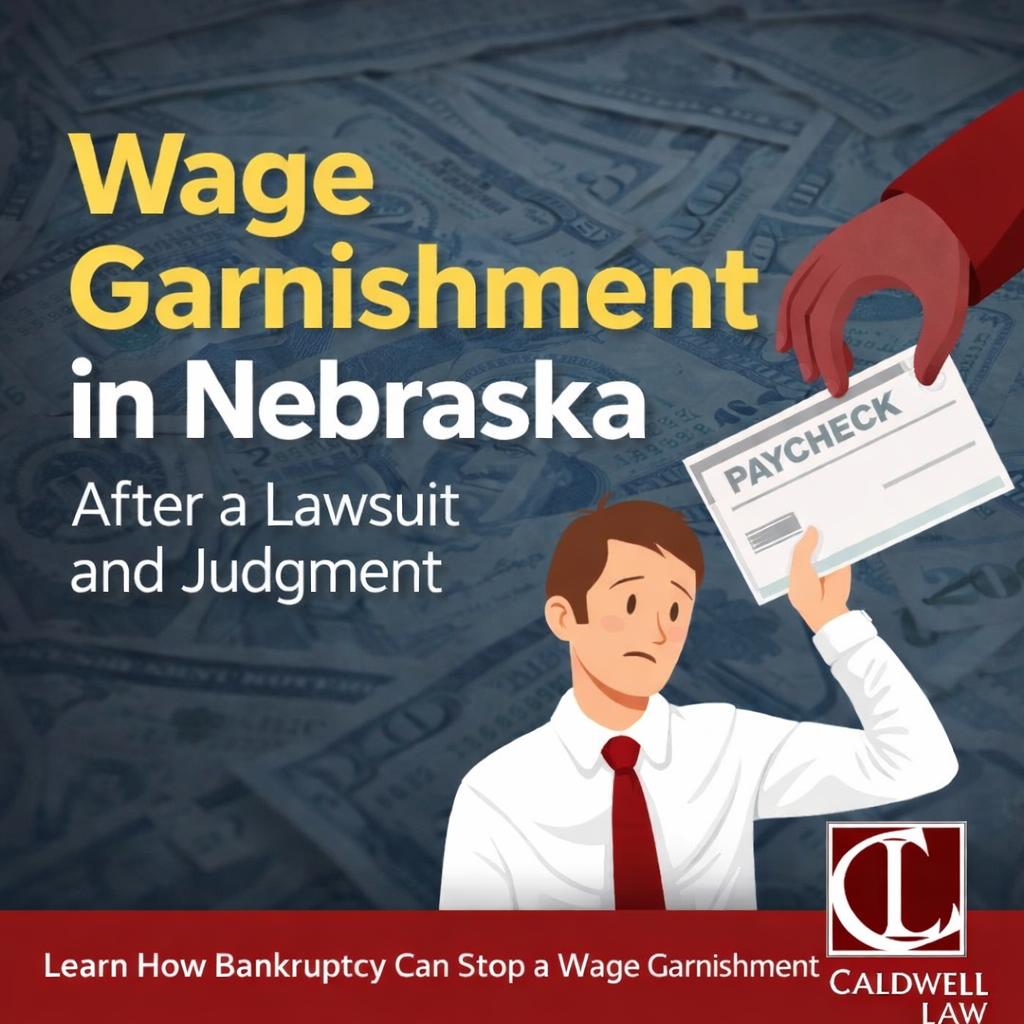
What Is Wage Garnishment in Nebraska
Wage garnishment in Nebraska allows a judgment creditor to intercept part of your earnings.
The creditor serves a garnishment summons on your employer.
Your employer must then withhold funds from each paycheck and send them to the court.
Eventually, the court distributes the funds to the creditor.
However, garnishment does not begin automatically after a lawsuit.
The creditor must first win the case or obtain a default judgment.
Only after judgment can wage garnishment in Nebraska legally start.
How Much Can Be Garnished From Wages
Wage garnishment in Nebraska follows both federal and state limits.
In most cases, the maximum garnishment equals 25 percent of disposable earnings.
Disposable earnings mean wages left after required taxes.
However, Nebraska law provides added protection for heads of household.
If you qualify as a head of family, the limit may drop to 15 percent.
Additionally, Nebraska law protects a minimum weekly amount based on dependents.
Therefore, household size matters greatly in wage garnishment in Nebraska.
More dependents usually increase the protected amount.
As a result, some workers see little or no garnishment after exemptions apply.
How Many Garnishments Can Happen at One Time
Generally, only one wage garnishment in Nebraska applies at a time.
Your employer usually processes a single creditor garnishment per paycheck.
However, priority debts follow different rules.
For example, child support and spousal support take priority.
Tax levies may also override ordinary creditor garnishments.
Therefore, multiple withholdings can occur when priority debts exist.
Still, most credit card and medical creditors must wait their turn.
They collect only after prior garnishments end.
This sequencing often extends the overall collection period.
Defenses to Wage Garnishment in Nebraska
Several defenses can limit or stop wage garnishment in Nebraska.
First, you may challenge improper service of the lawsuit or garnishment papers.
If service was defective, the court may void the judgment.
Additionally, you may claim exemptions based on household status.
Filing a timely exemption claim can reduce or eliminate withholding.
Moreover, errors in income calculations can justify court review.
You may also negotiate directly with the creditor.
Some creditors accept voluntary payment plans instead.
This approach may stop garnishment before it reaches your employer.
How Bankruptcy Stops Wage Garnishment in Nebraska
Bankruptcy provides the strongest tool against wage garnishment in Nebraska.
Once you file bankruptcy, federal law imposes an automatic stay.
The stay immediately stops most garnishments.
As a result, employers must stop withholding wages upon notice.
Creditors must also cease collection activity.
This protection applies even if garnishment already started.
Chapter 7 bankruptcy can discharge many judgment debts.
Chapter 13 bankruptcy can stop garnishment while you repay over time.
Therefore, bankruptcy often provides both relief and structure.
Why Prompt Action Matters
Wage garnishment in Nebraska can escalate quickly.
Delays often increase financial strain and stress.
However, early action preserves options and leverage.
Additionally, addressing garnishment protects job privacy and morale.
Many workers prefer to resolve issues before employers become involved.
Therefore, timely legal advice makes a meaningful difference.
Schedule a Bankruptcy Consultation Today
If you face wage garnishment in Nebraska, you have options.
You do not need to endure shrinking paychecks indefinitely.
Bankruptcy may stop the garnishment and restore financial stability.
Schedule a bankruptcy appointment today to discuss stopping a garnishment.
Early guidance can protect your wages and your future.